Reach Security Raises More Than $50M Series B to Stop AI-Powered Attacks by Autonomously Closing the Gaps They Target. Is your environment safe?


Autonomously find and close defensive gaps before attackers exploit them.









Find and fix misconfigured security controls and drift across your defenses.
.png)
.png)
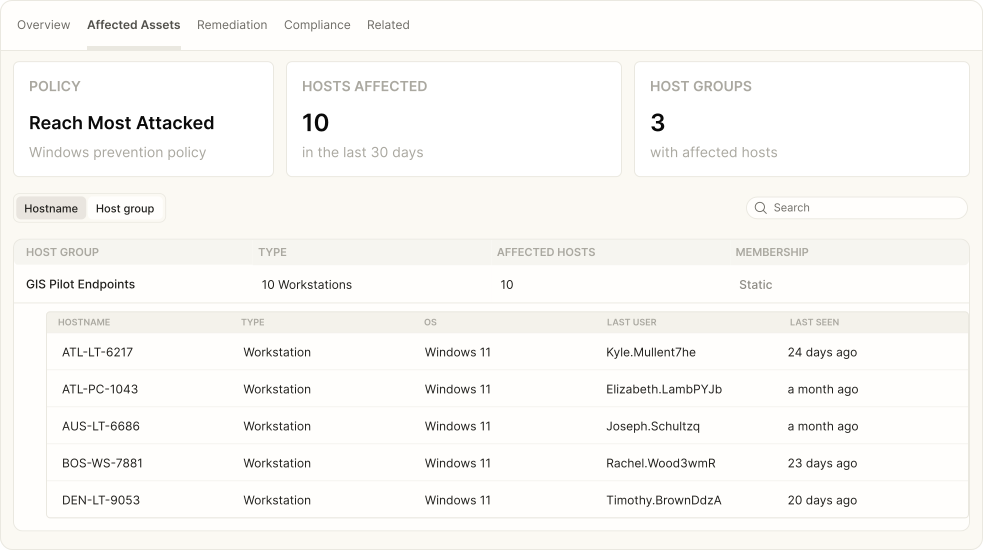
Reach uncovers misconfigured, incomplete, and underused controls across your existing identity, endpoint security, SASE, network security, and other deployments to understand how your security controls are actively protecting your organization.
.png)
.png)
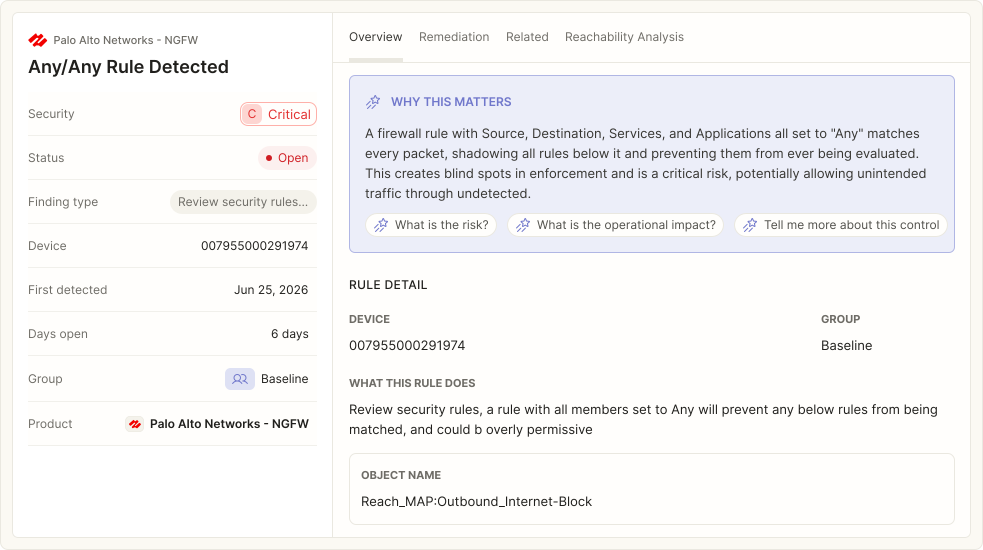
Reach prioritizes action to close these defensive gaps based on the severity of exposure, attack behaviors, and configuration context, aligning control recommendations to your organization’s priorities.
.png)
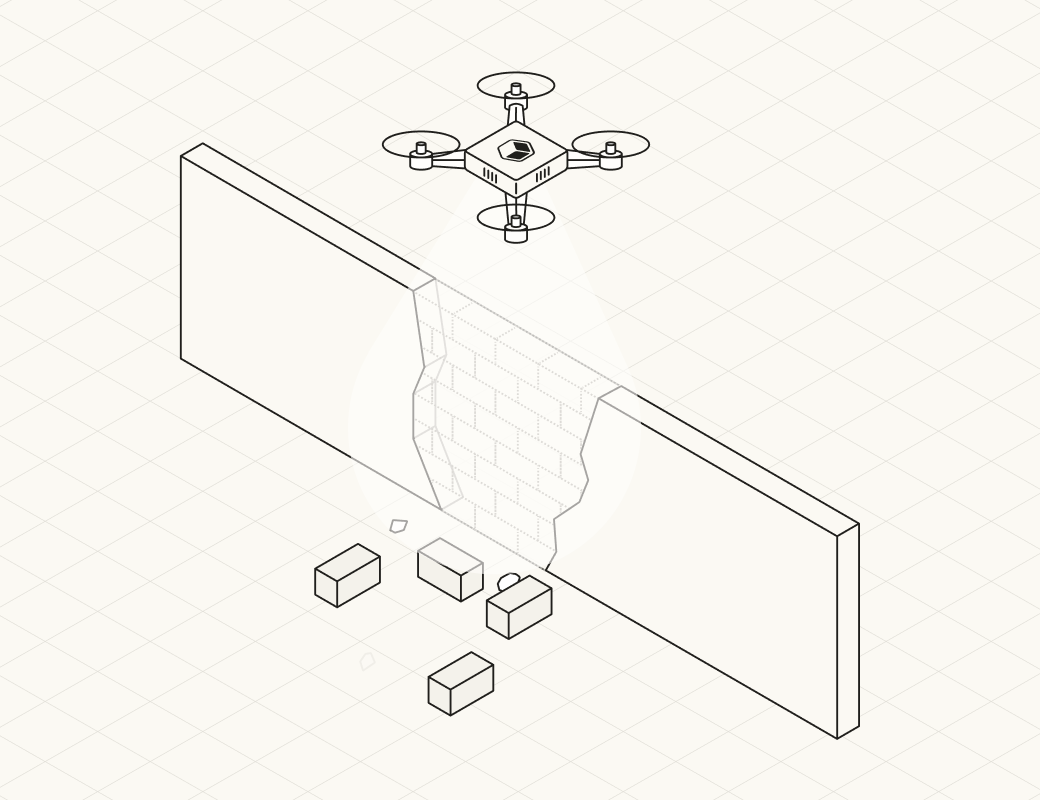
Reach automatically pushes recommended configuration changes into a staged environment for verification, then executes tailored remediation workflows across your security ecosystem via integrations with your ticketing systems. Quickly deploy changes and close gaps without adding friction to existing processes.
.png)
.png)
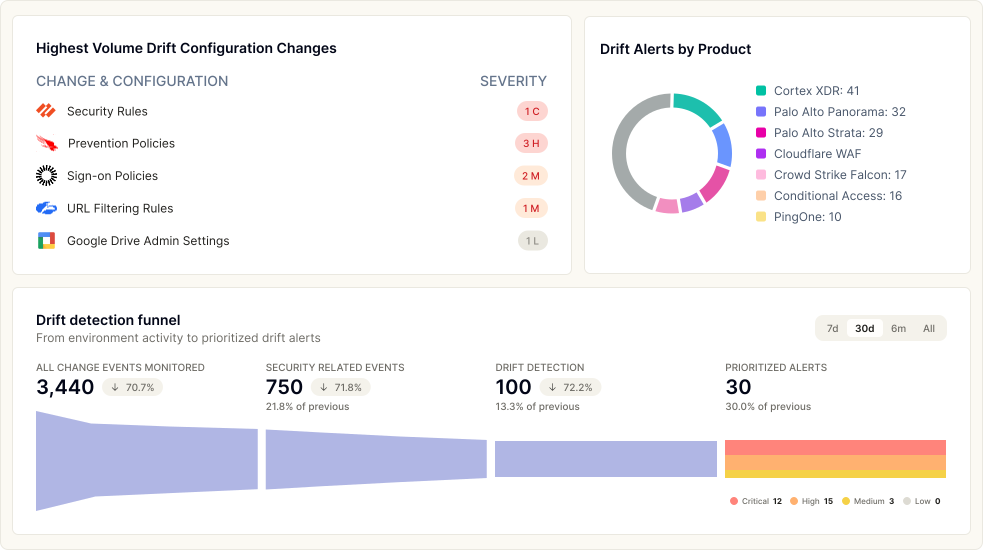
Reach continuously monitors your configurations to detect drift, validates that controls are working as intended, and ensures your defenses stay aligned with your evolving environment and threat landscape. Get continuous assurance across every security control.
640
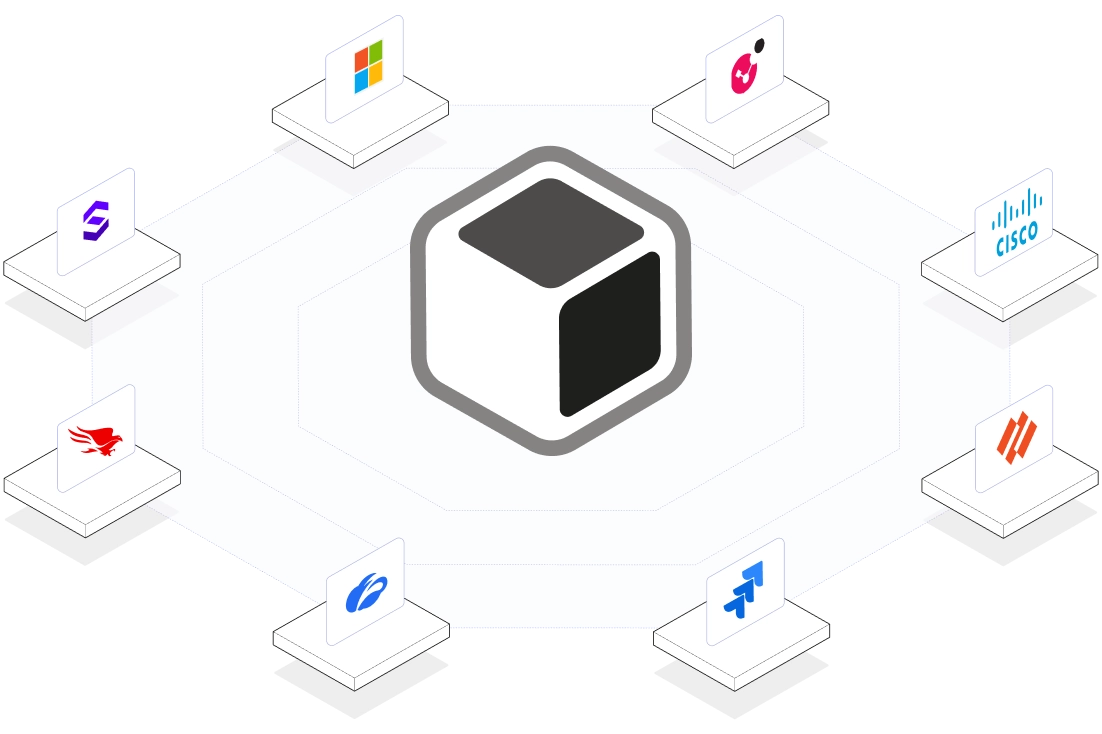
Reach Integrations
CrowdStrike, SentinelOne, Proofpoint, Okta, Jira, ServiceNow, Abnormal Security, Palo Alto Networks, Ping Identity, Microsoft Defender for Endpoint, Microsoft Defender for O365, Netskope, Zscaler, Fortinet, Cisco
Reach is an AI-Native Security Controls Operating System that integrates with your existing security product stack to reveal and remediate defensive blind spots, and activate underutilized capabilities across your security control plane.
By the numbers
Reach accelerates your response velocity

Detect misconfigurations in minutes

Automatic investigation of misconfigurations

Remediate misconfigurations immediately
AI-powered attacks,
meet AI-powered defense.
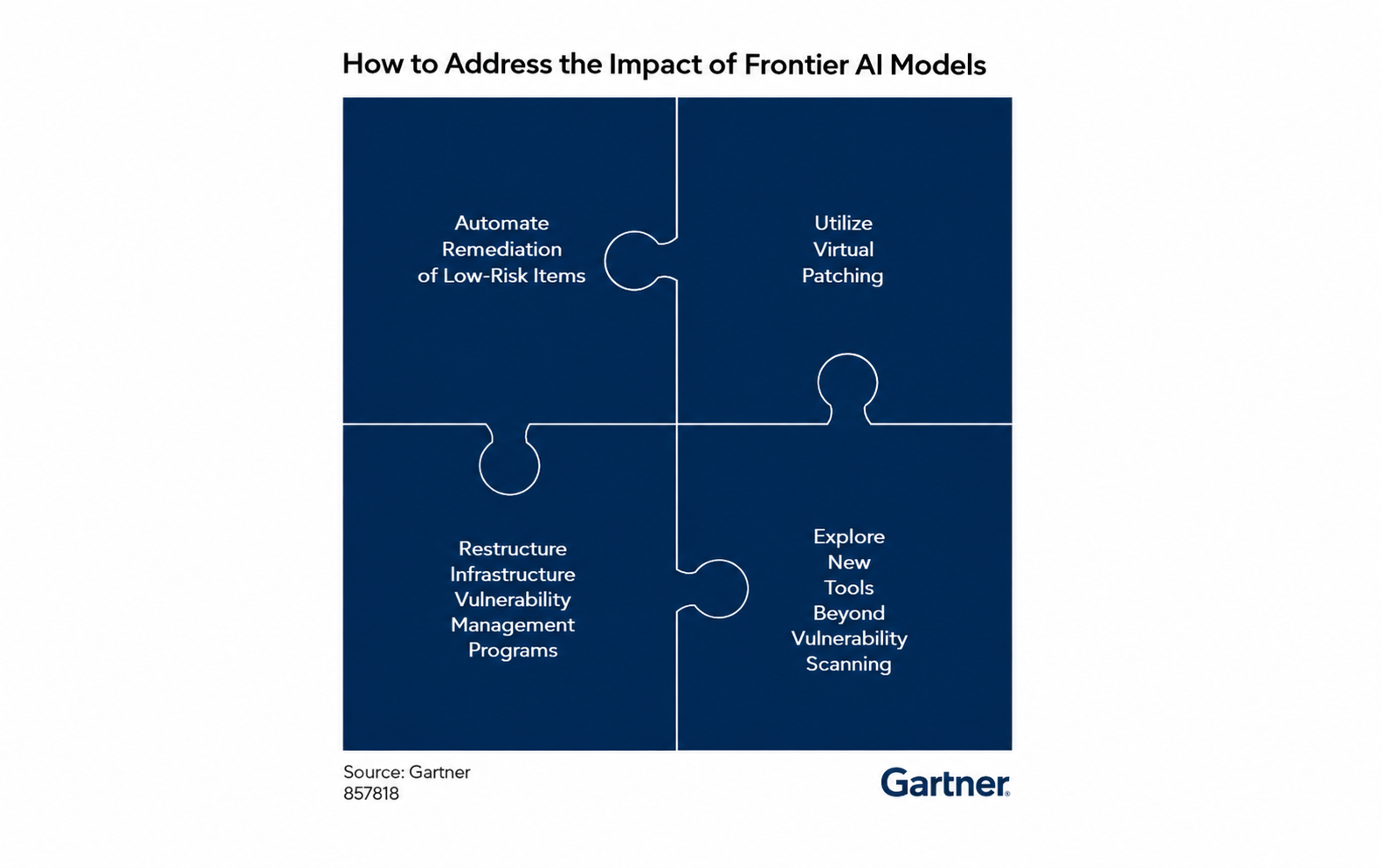
Get the report


Unlock the full power of your security stack with a free tool rationalization assessment.



What is Reach Security?
Reach is an exposure management platform designed to identify and close configuration gaps in your security tools and controls before AI-powered attacks can exploit them. It integrates with the security stack you already own across identity, endpoint, email, and network security, then uses domain-specific AI to identify misconfigured controls, activate underutilized capabilities, continuously monitor for configuration drift, and mitigate unpatched vulnerabilities. As attacks move faster and get more automated, Reach is built to find and fix these gaps faster than AI-powered attacks can find them.
What is configuration drift, and how does Reach monitor for it?
Configuration drift happens when security settings move away from their intended state over time. A policy gets adjusted, a break-glass exception gets forgotten, an overly permissive rule sneaks in, a product update ships, and nothing alerts the team that something changed for the worse and created a defensive weakness that attackers can exploit. Reach continuously monitors your security control configurations across IAM, EDR, email security, firewalls, SASE, and more, and alerts you to changes that affect your security posture. Reach keeps a full audit trail, prioritizes fixes, provides guided remediation of drift events, and continues to scan for drift events even after issues have been resolved. This allows your team to spot drift and fix it before it becomes exposure. Read more on how this plays out in practice in Configure. Drift. Breach. Repeat.
How is Reach different from vulnerability management, CAASM, and EASM tools?
Vulnerability management finds software flaws, CAASM inventories your assets, and EASM scans your internet-facing surface. None of them tell you whether the security controls you already deployed are configured correctly and acting as compensating controls to mitigate the risk from vulnerabilities. With AI-powered vulnerability discovery, CVE backlogs are skyrocketing. Security teams can't patch fast enough. Reach analyzes your environment to identify unpatched vulnerabilities that are still reachable and then recommends and applies compensating controls across your existing stack that can mitigate those vulnerabilities. The goal: keep exploits out until patches go in. Learn more about vulnerability mitigation.
Does Reach replace my existing security tools?
No. Reach works on top of the security stack you already have. It connects to your identity, endpoint, email, network, and ticketing tools using read-only APIs, then helps you get more protection out of them by activating capabilities you're not using and correcting misconfigurations. Most teams use a fraction of what their tools can do. Reach activates controls across your entire technology stack to keep you protected against fast-moving adversaries.
How does onboarding work, and is it safe to connect Reach to production tools?
You start with a read-only API key for one security tool of your choice, get the integration running in about three minutes, and see immediate results across licensing, control mapping, risk exposure, and posture. Reach connects using read-only APIs and requires no new agents or infrastructure. Before any change is made, Reach shows you how it will affect users and routes remediation through your existing change-control and ticketing systems, so your team stays in control. Learn more about how Reach's domain-specific AI works in security environments on our Fight AI with AI page.
How does Reach approach threat exposure, security posture, and configuration management?
Reach works across those three connected areas. It identifies exposure that's actually reachable, like gaps on end-user devices that enable ransomware delivery, so you can prioritize what measurably reduces risk. It continuously validates that your controls are working as intended, catching the weak points that allow session hijacking or lateral movement. And it finds misconfigurations across your stack, recommending precise, context-aware fixes your team can act on quickly. Reach was named a Representative Provider of ASCA (Automated Security Control Assessment) in Gartner's Innovation Insight report, and delivers outcomes across the CTEM framework. Get the full breakdown in our CTEM guide.
How is Reach priced?
Reach is priced based on the size and complexity of your environment, including the number of security tools and control domains you want assessed. There's no fixed per-seat or per-tool rate, since the scope of what Reach monitors varies by organization. You can start with a free tool rationalization assessment to see where your gaps are before committing to anything. Schedule a demo to get pricing scoped to your setup.
What kind of ROI can we expect from Reach?
Results vary by environment, but the impact tends to show up in three places: less time spent maintaining and reviewing security posture, security controls, and security tool management; fewer incidents caused by drift or misconfigurations across the security and IT stack; and fewer incident alerts - and faster threat detection and incident response - as a result of more robust security prevention and preemption. Reach customers report an 80% reduction in control maintenance workload, 95 hours saved per employee per month, and 95% faster threat detection. See the scale of the problem this solves in our Drift Research Report.
1
Harden your security controls. Stop attackers in their tracks.
Request a Demo

Read-only API key for a security tool of your choice

Create your account and setup the integration

Find and fix misconfigured controls, stop configuration drift, and mitigate vulnerabilities.