13 Drift Events a Day: See How Much Drift Is Already Happening in Your Environment
Get the report

Integrations
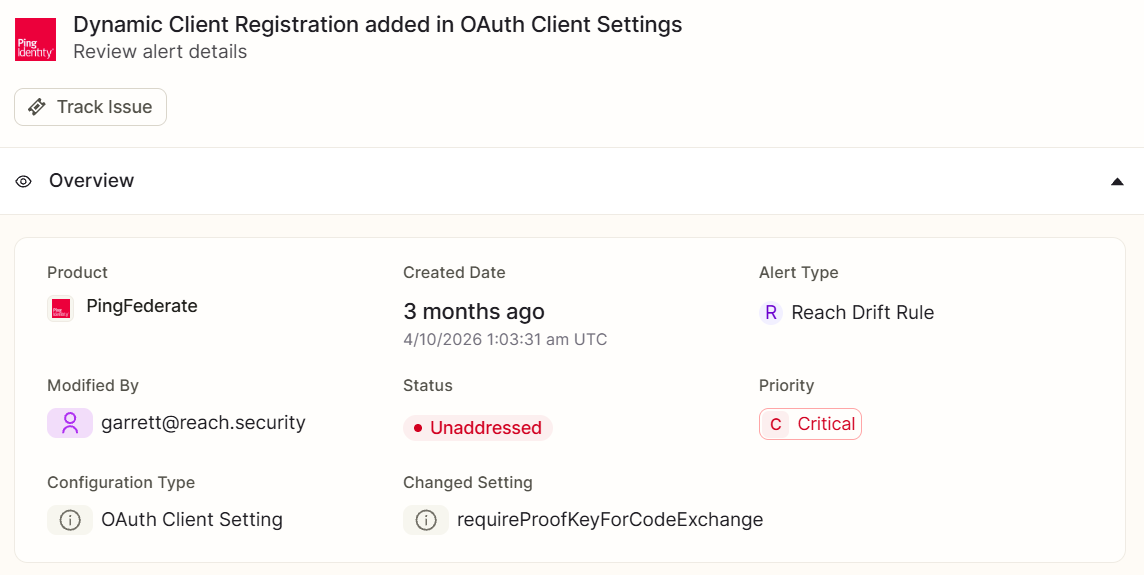
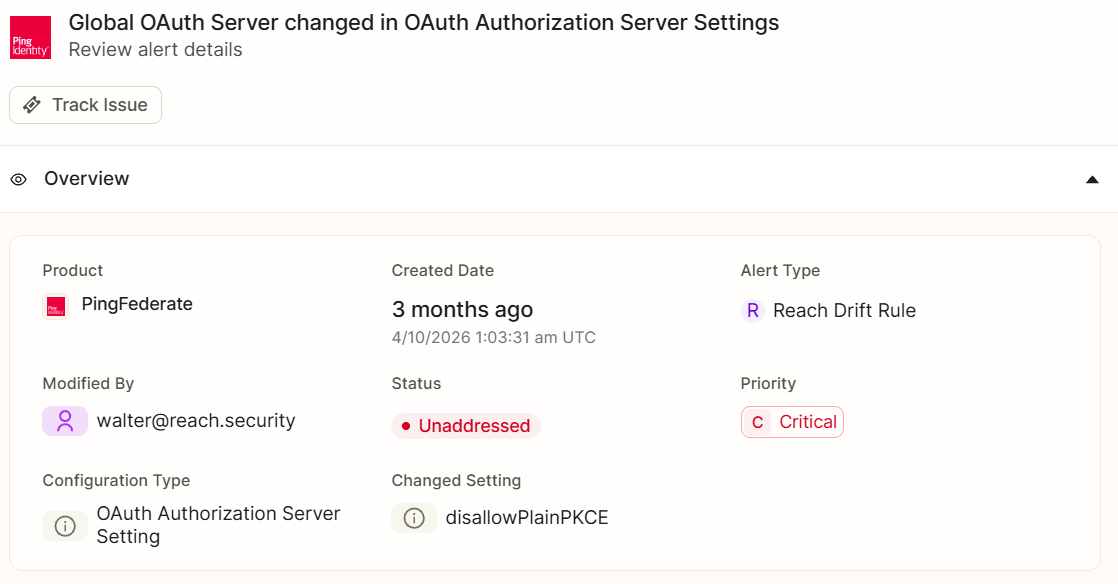
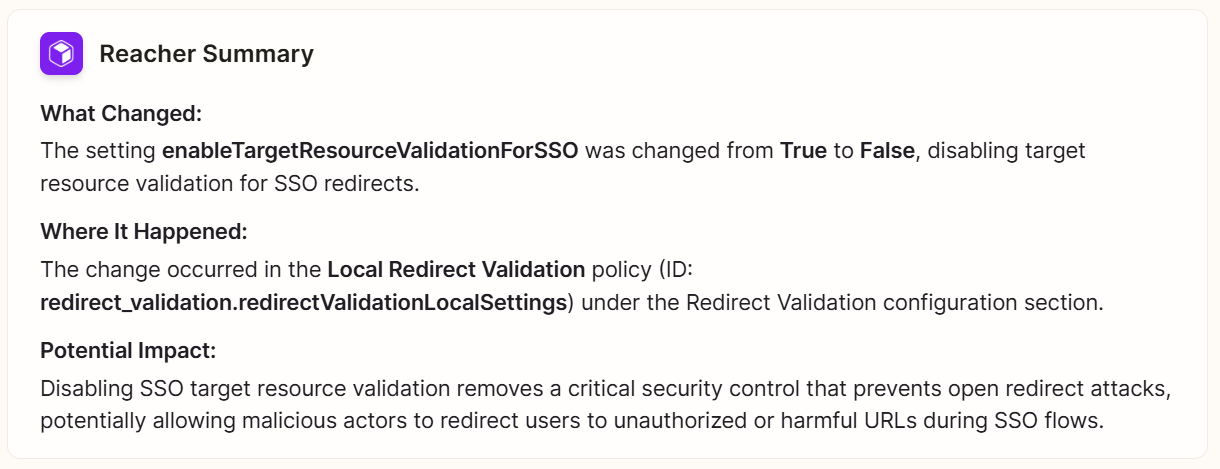
Reach analyzes your PingFederate deployment to identify misconfigurations, weakened federation controls, and configuration drift across OAuth, OIDC, SAML, and SSO settings. Reach prioritizes fixes and validates that PingFederate authentication and federation policies remain aligned with security intent.
The Challenge
PingFederate enables secure SSO, identity federation, and API authorization across employees, customers, partners, applications, and identity providers.
.svg)
Unlock the full power of your security stack with a free tool rationalization assessment.
Request a Demo

Read-only API key for a security tool of your choice

Create your account and setup the integration

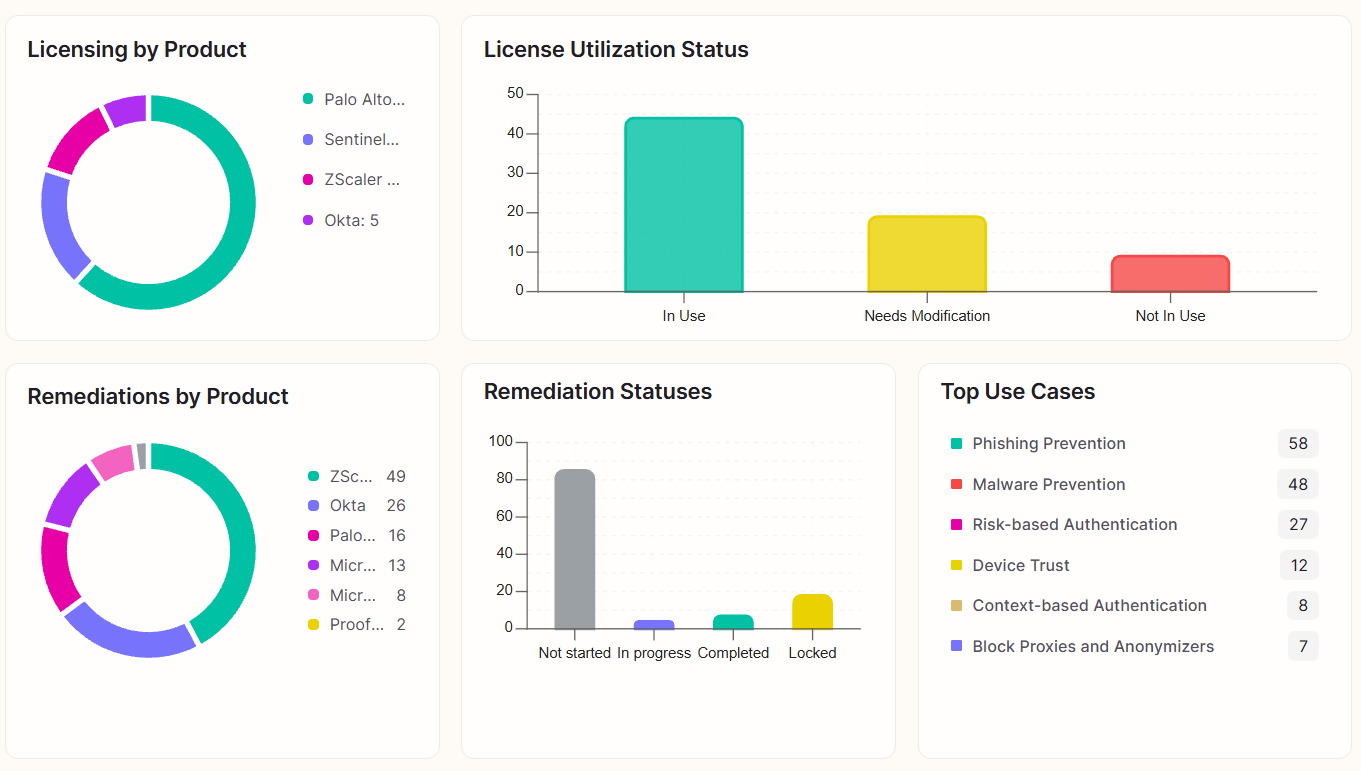
Get results across licensing, control mapping, risk exposure, and posture